Table of Contents
Reusable tote bags that wear out prematurely or lack comfort can undermine customer experience and reduce the value of retailers’ packaging investments. In this article, TLP Packaging explores how material selection, functional design, and product specifications can help retailers protect store margins while delivering a better shopping experience.
Why Most Reusable Tote Bags Fail to Deliver Real Value
A reusable tote bag’s value goes beyond its purchase price. When material selection, design, or functionality fails to meet end users’ needs, the bag may become an underperforming packaging investment, affecting both customer experience and store margins.
Choosing the Lowest Price over Real User Experience
For procurement teams, unit price is often a primary consideration when sourcing reusable tote bags in bulk. However, purchasing the lowest-cost option may overlook important factors.
Common design and construction issues that compromise user experience include:
- Uncomfortable handles: Narrow or poorly finished handles may cause discomfort when carrying heavy loads.
- Insufficient carrying capacity: Limited bag dimensions or gusset depth may restrict space for everyday grocery purchases.
- Poor structural stability: Flimsy construction may cause the bag to collapse or lose its shape during packing and carrying.
- Weak stitching and load-bearing reinforcement: Loose seams or inadequately reinforced handle attachment points may lead to premature tearing under repeated use or heavy loads.
Material Does Not Match Usage Frequency
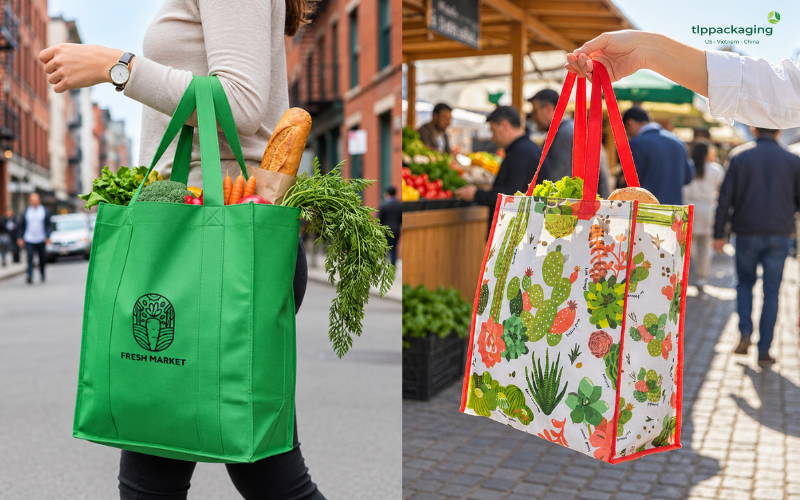
The material of a reusable tote bag should be selected based on its intended usage frequency and durability requirements. Choosing the right material helps brands balance production costs with the bag’s expected lifespan and practical value.
- PP Woven Bags: Suitable for regular grocery shopping and daily use, where durability and repeated use are important.
- Non-Woven PP Bags: A practical choice for event giveaways, promotional campaigns, document bags, and gift packaging intended for occasional use.
- Recycled Polyester (rPET): Suitable for reusable bags designed for frequent use, while supporting brands’ recycled-material sourcing objectives.
When brands fail to identify their end users’ usage frequency, they risk selecting materials that do not meet actual needs. As a result, reusable tote bags may wear out prematurely or be used less often than intended, limiting their ability to deliver lasting value.
Limited Functionality Beyond Grocery Shopping
Reusable tote bags designed primarily for supermarket shopping may not meet consumers’ needs across other everyday activities. When a bag is expected to serve multiple purposes, its design should offer greater versatility, convenience, and appeal.
- Versatile and appealing design: A contemporary appearance that complements different outfits and suits activities such as commuting, leisure outings, and travel.
- Practical compartmentalization: Additional pockets or compartments to organize personal belongings, electronic devices, and everyday essentials.
- Adaptable shape and structure: A functional design that accommodates different types of items while maintaining its shape and appearance.
- Compact storage: A foldable or flexible structure that allows the bag to be conveniently stored when not in use.
What Are the Hidden Operational Costs of a Bad Reusable Tote Bag Choice?
Beyond the initial purchase, poor bag quality and design may create additional operational expenses and negatively affect customer experience and brand perception.
Direct Financial Costs of Poor Tote Bag Choices
Low-quality or poorly designed tote bags can generate measurable costs throughout their lifecycle, gradually reducing profit margins.
- Frequent replacements: Poor durability increases replacement frequency and total purchasing costs.
- Returns and complaints: Defective bags lead to refunds, customer service expenses, and additional workload.
- Logistics inefficiencies: Poor design can increase storage, shipping, and handling costs.
- Checkout delays: Bags that are difficult to open, load, or handle can slow down packing at checkout, increasing labor time and creating longer queues, especially during peak hours.
Intangible Costs Beyond Financial Losses
Some costs are harder to quantify but can still affect long-term business performance.
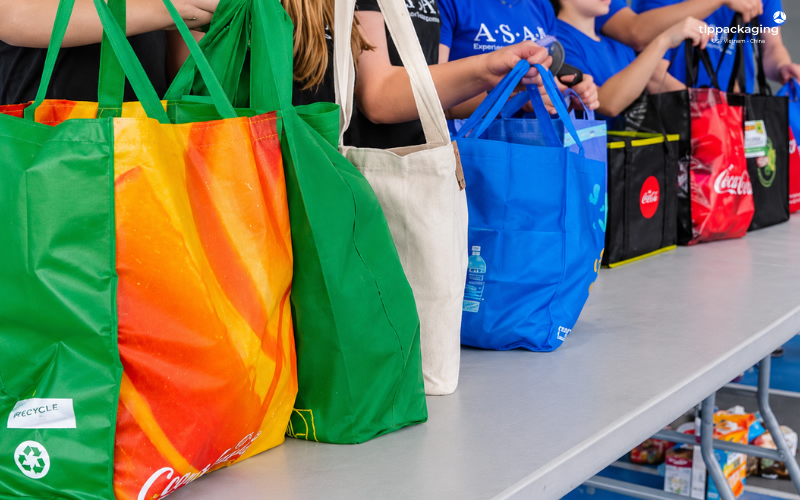
- Damaged brand perception: Low-quality bags may weaken customers’ impressions of a brand.
- Reduced customer satisfaction: Poor functionality and convenience can diminish the shopping experience.
- Missed brand exposure: Bags that are rarely reused offer fewer opportunities for brand visibility and customer engagement.
How to Protect Your Profit Margins When Choosing Reusable Tote Bags
The right reusable tote bag can help businesses minimize hidden operational costs while delivering lasting value to customers. Consider these five factors when selecting a bag:
- Ergonomic handle design for comfortable carrying: Handle length, comfortable webbing materials, and reinforced attachment points should align with the bag’s dimensions and intended load, improving carrying comfort and durability.
- Durable materials and reinforced construction: Appropriate fabric weight, strong stitching, and reinforced stress points help reduce premature wear and replacement costs.
- Checkout-friendly bag structure: A stable shape, accessible opening, and easy-to-load design can support faster packing and more efficient checkout operations.
- Functional capacity and versatile design: Suitable dimensions and practical compartments allow customers to use the bag across shopping and everyday activities, encouraging repeated use.
- Brand-aligned appearance and customization: Thoughtful design and quality printing can enhance brand perception, customer satisfaction, and the bag’s potential for ongoing brand exposure.
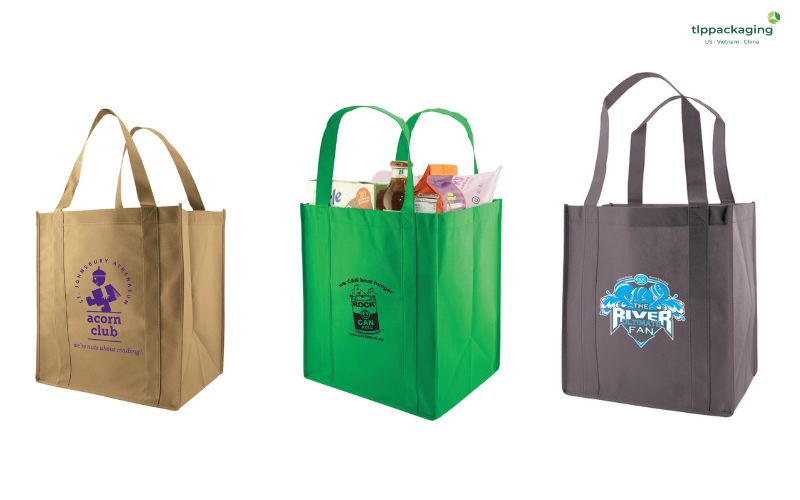
How TLP Packaging Helps Retailers Reduce Hidden Costs Through Better Bag Design
TLP Packaging LLC provides OEM-oriented reusable tote bag solutions designed to align with retailers’ operational requirements and end users’ expectations. With over 9 years of industry experience, a dedicated professional team, and local manufacturing coordination in Vietnam, TLP supports businesses in selecting suitable materials, optimizing product construction, and managing sourcing risks.
Durable Construction for Reliable Everyday Use
TLP Packaging applies specialized construction techniques and reinforcement solutions to enhance tote bag durability, ensuring reliable performance across different usage requirements.
- Reinforced webbing handles and cross-stitching: Reinforced PP webbing handles and X-box cross-stitching help strengthen key stress points, supporting reliable performance during repeated use.
- Self-standing bases and structured construction: Gussets, reinforced bases, and structured designs help bags maintain their shape, improve stability, and make loading easier.
High-Quality Printing and Finishing for Lasting Brand Value
TLP Packaging offers BOPP extrusion lamination and gravure printing to support consistent print quality, surface protection, and brand presentation. Durable printing and finishing help maintain the bag’s visual appeal throughout repeated use, supporting long-term brand exposure.
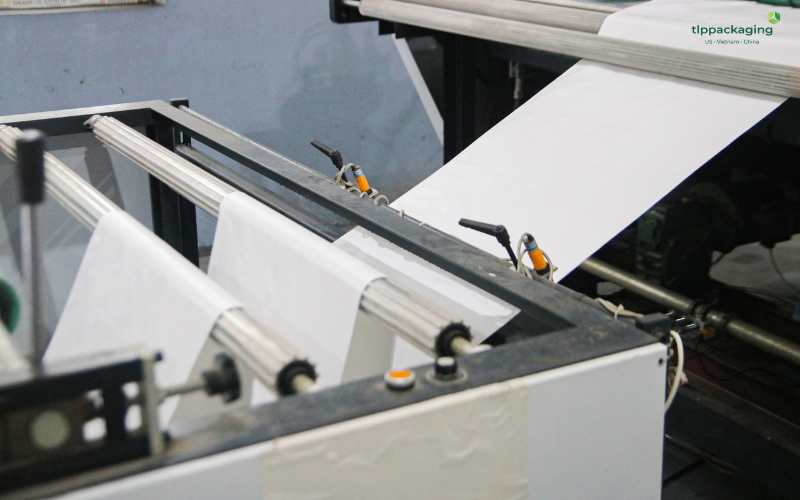
Material Solutions Aligned with Usage Requirements
TLP Packaging offers PP woven and PP non-woven bags with varying recycled material content, as well as rPET options, to accommodate different usage frequencies, functional requirements, and material sourcing preferences. With GRS certification at the factory level, TLP supports buyers seeking recycled-material packaging solutions with relevant certification requirements. Selecting materials based on actual applications helps businesses balance production costs, durability, and practical value.
Reliable Sourcing and Manufacturing Coordination in Vietnam
For international buyers, sourcing from overseas can create concerns around manufacturing quality, communication, and order management. TLP Packaging serves as a local sourcing partner, coordinating with manufacturing facilities and supporting quality oversight throughout the production process.
- Manufacturing Coordination: An integrated production process covering material preparation, weaving, lamination, printing, cutting, assembly, and packaging helps streamline manufacturing.
- Quality Control: TLP Packaging conducts product inspections based on AQL 2.5 acceptance criteria to assess stitching integrity, handle strength, print quality, and overall product consistency.
- Flexible Sourcing: With a minimum order quantity (MOQ) starting at 5,000 pieces, TLP Packaging supports buyers with production planning tailored to their order requirements and shipment volumes.
- Export Documentation: Support with certificates of origin, packing lists, Bills of Lading, and other relevant export documentation helps simplify international sourcing.
By combining product engineering, manufacturing coordination, and export support, TLP Packaging helps retailers make more informed packaging investments while managing quality and operational risks.
Conclusion
As retail expectations continue to evolve, reusable tote bags offer opportunities to strengthen customer engagement and brand visibility. With thoughtful design and reliable manufacturing, retailers can turn everyday packaging into a lasting business asset. Contact TLP Packaging to explore OEM solutions that support your retail strategy.